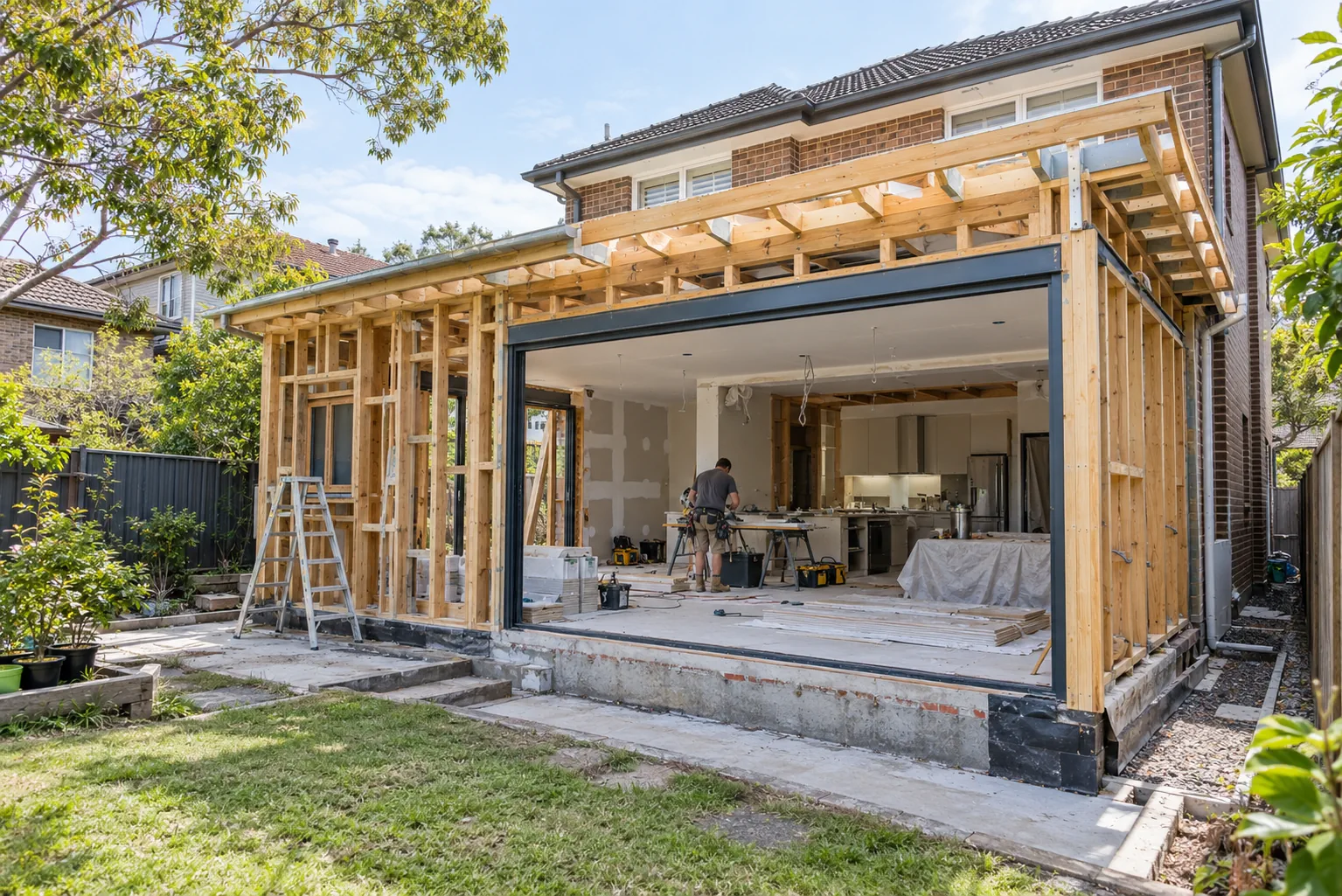
The Right Order Makes All the Difference
Most homeowners start a major renovation knowing what they want to change, but not necessarily what needs to happen first. Should you speak to a builder, engage an architect, set a budget or start looking at approvals?
Following the right sequence from the beginning can help you avoid wasted design work, unrealistic budgets and costly changes later in the project.
Step 1: Define Your Goals and Set a Realistic Budget
Before anything else, get specific about what you want to achieve. Are you adding space, improving liveability, increasing the home’s value, or all three? The clearer your brief, the more useful every conversation after this point will be.
Set a budget range you are genuinely comfortable with, not an aspirational figure. Factor in a contingency of at least 10 to 15 percent on top of your build cost. Renovation and addition projects consistently run into unforeseen conditions, particularly in older homes, so that buffer is not optional.
If you are unsure what your scope should cost, reviewing home renovation costs in Sydney gives you a practical starting point before you commit to anything.
Step 2: Talk to a Builder Before You Commission Plans

This is the step most homeowners skip, and it is the one that costs them the most. Many people go straight to an architect or draftsperson, spend several thousand dollars on drawings, then discover the design is over budget or structurally complicated in ways that push the price well beyond what they expected.
Bringing a builder into the conversation early means your design gets shaped by what is actually buildable within your budget. A good builder will flag structural constraints, site access issues, and cost drivers before they get drawn into a set of plans you will have to revise or abandon.
Experienced Sydney renovation builders work alongside architects and designers regularly. Getting that input at the brief stage, rather than after plans are finalised, saves time, money, and significant frustration.
Step 3: Design and Engineering
Once your scope and budget are aligned, the design phase can begin in earnest. For structural work, extensions, or second storey additions, you will need both architectural drawings and a structural engineer’s report. These two documents work together and are required before any approvals can be lodged.
A home extension or second storey addition involves more engineering complexity than most cosmetic renovations. Foundations, load-bearing walls, and roof structures all need to be assessed and documented properly.
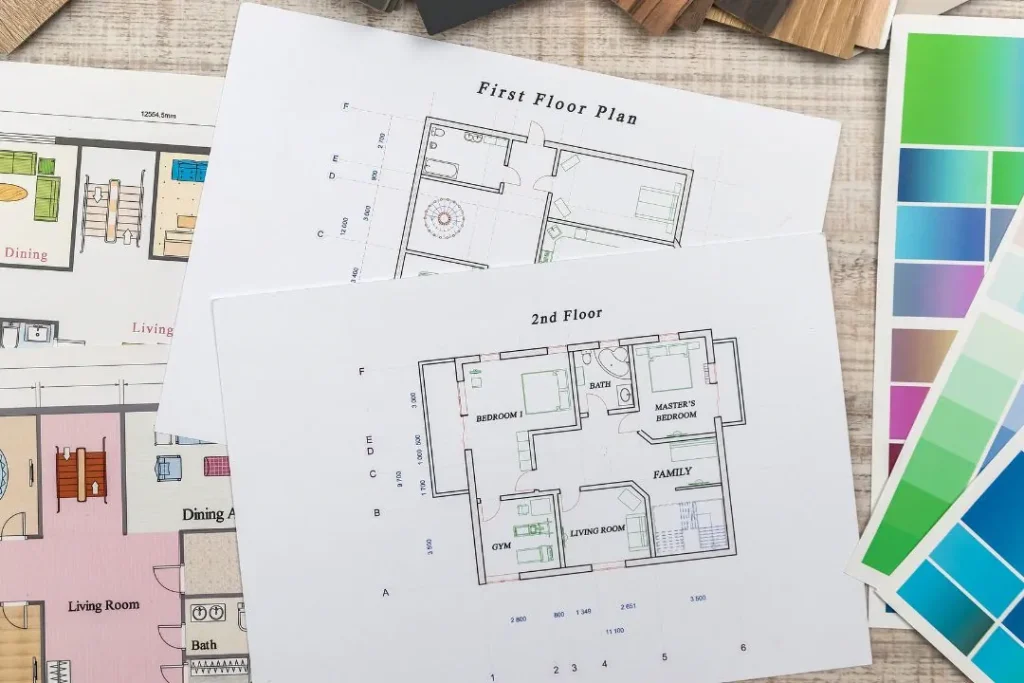
Keep your builder involved during this phase. Small design decisions made on paper can have significant cost implications on site, and catching them early is far cheaper than catching them mid-build.
Step 4: Approvals
Most major renovations in New South Wales require some form of approval before construction can begin. The two main pathways are a Development Application (DA) through your local council, or a Complying Development Certificate (CDC) assessed by a private certifier.
You will also need a Construction Certificate once your DA or CDC is approved, and you must appoint a Principal Certifier to oversee inspections during the build. The NSW Government outlines the approvals process for home renovations in detail, including which pathway applies to different project types.
Approval timelines vary. A CDC can move faster than a DA, but not every project qualifies. Build realistic timeframes into your planning. Waiting on approvals is one of the most common reasons projects start later than expected.
Step 5: Get a Fixed Quote
Once your plans are approved and engineering is complete, you have everything a builder needs to price the job accurately. This is the point to request a detailed, fixed-price quote rather than a rough estimate.
A fixed quote based on approved plans protects you from scope creep and gives you a clear picture of your total financial commitment before construction begins. Be cautious of quotes that are vague about inclusions or that rely heavily on provisional sums for major items.
Step 6: Construction
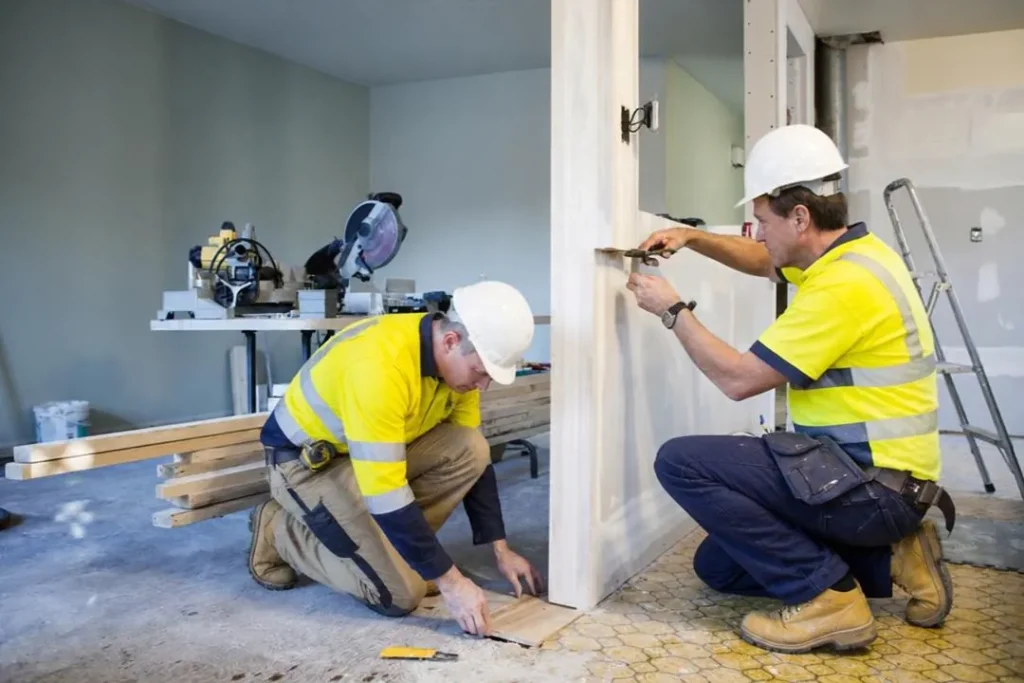
With approvals in place and a signed contract, construction can begin. Your builder will manage the trade sequence, inspections, and material deliveries. Your job at this stage is to stay in regular communication and make decisions promptly when they are needed.
Delays in decision-making from the homeowner’s side are one of the most common causes of project slowdowns. Know your finishes, fixtures, and fittings before the build starts, not halfway through.
Practical Points OFTEN Overlooked
Where Will You Live During the Build?
For large-scale structural renovations, living on site is often impractical and sometimes unsafe. Rental costs in Sydney add up quickly, so factor temporary accommodation into your budget from the start. If you plan to stay with family, confirm that arrangement well in advance of the build commencing.
Lead Times for Materials and Approvals
Structural steel, windows, and certain cladding products can have lead times of several weeks or longer. Your builder should account for these when scheduling the build. Similarly, approval timelines, particularly for DAs, can stretch to several months depending on the council and the complexity of the application.
Starting the approvals process as early as possible is one of the most practical things you can do to keep your overall timeline on track.
Decisions That Need to Be Made Early

Kitchen layouts, bathroom configurations, and structural openings all need to be locked in before or during the design phase, not after construction starts. Changes made once building is underway are expensive and disruptive. The more resolved your brief is before the first nail goes in, the smoother the build will be.
Getting the Sequence Right From the Start
A major home renovation is a significant undertaking, but it becomes far more manageable when you follow the right sequence:
- Define your goals and budget
- Speak with a renovation builder
- Develop the design and engineering
- Obtain the necessary approvals
- Get a detailed fixed quote
- Begin construction
Getting a builder involved before your plans are finalised is particularly valuable. It helps keep the design practical, buildable and aligned with your budget before too much time and money is committed.
Talk to Us About Your Renovation
If you have ideas but are not sure how to move them forward, we can help you work through the scope, the budget, and the right sequence for your project. We undertake home renovations across all areas of Sydney.
Call (02) 9000 1888 or get in touch online to arrange a consultation.